What is Phonics?
Phonics is:
- a method of instruction that teaches learners letter-sound relationships
- essential component of reading and writing practice and instruction in the primary grades
- Phonics knowledge leads to word knowledge.
- helps students to learn the written correspondences between letters, patterns of letters, and sounds
- one element of a comprehensive literacy program that must also include practice in comprehension, fluency, vocabulary, writing, and thinking.
How Phonics is Taught:
Definitions:
- Orthography is “the art of writing words with the proper letters, according to accepted usage; correct spelling”.
- Phonemes- are the spoken form and the smallest unit of sound in speech and when we teach reading, we teach children which letter represents those sounds.
- Graphemes are the written form of a word and are taught so that children learn to recognize and decode unfamiliar words.
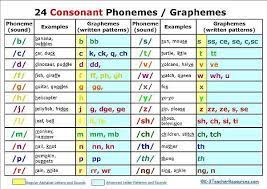
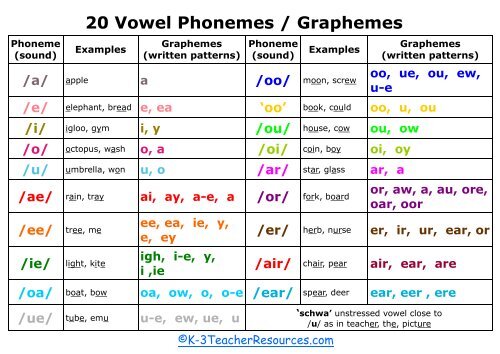
- Phonics should be taught in a systematic and explicit steps:
- Decoding-see a letter say the sound
- Blending- blend the sounds and say the whole word
- Decoding 3 letter words- consonant, vowel, consonant (CVC)
- Decoding consonant clusters in consonant, consonant, vowel, consonant (CCVC) and consonant, vowel, consonant, consonant (CVCC) words
- Vowel digraphs- a digraph is two vowels that make one sound ( /oa/, /oo/, /ee/, /ai/)
- Consonant digraphs- 2 consonants that make 1 sound
- Encoding- writing the word (Spelling)
- Suffixes and Root words- prefixes, affixes, Greek and Latin root words.
Activities/Programs for Teaching Phonics:
- Heggerty Phonemic Awareness
- LETRS
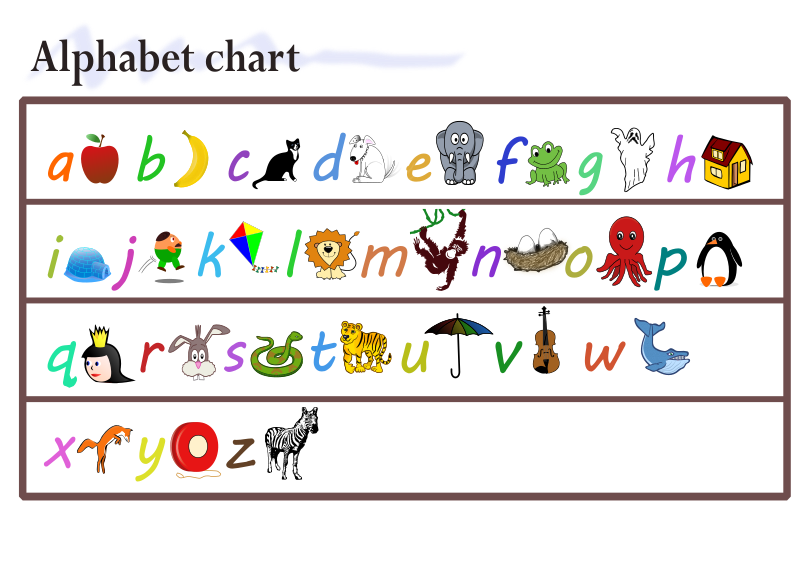
- Letter Identification
- Picture sorting Mats
- Word Mats
- CVC Word
- Blends
- Using Picture Books
Assessing Phonics:
- DIBELS
- Informal Reading Inventories (IRI’S)
- Alphabet Recognition
- Test of Phonological Awareness
- Hearing and Recording Sounds in Words
- Informal Phonics Inventory
- Informal Decoding Inventory